Suspended ceiling replacement
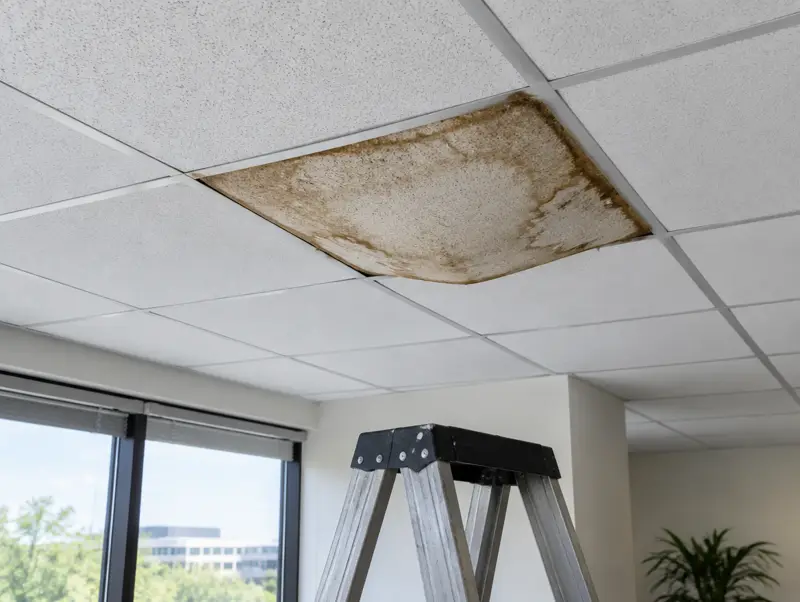
Ceiling replacement means stripping out a tired, damaged or outdated suspended ceiling and fitting a new one, or re-tiling a sound grid with new tiles. It is the quickest way to make an older building look and perform like new.
How we do it
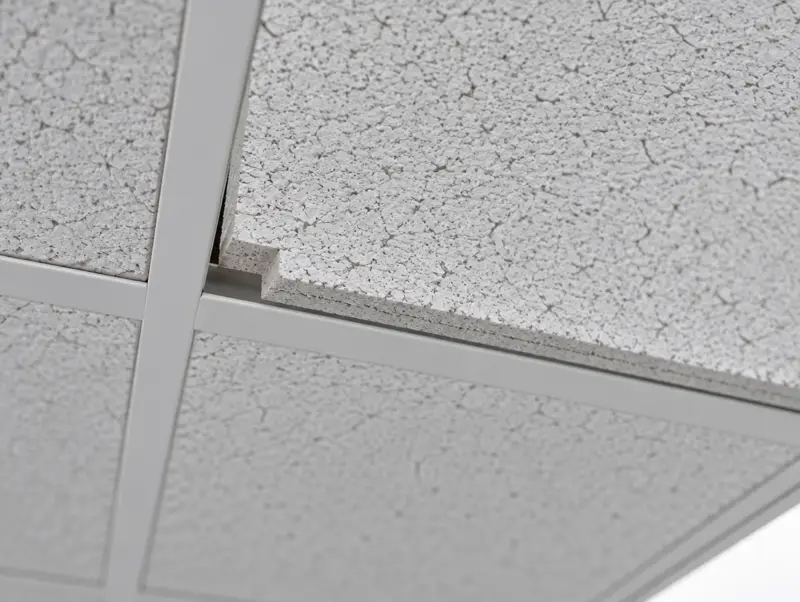
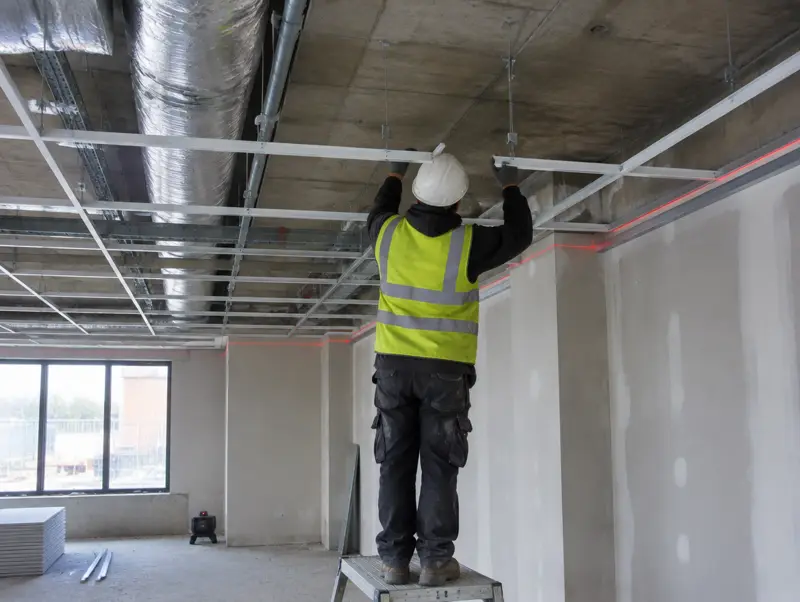
The first question is whether the grid is worth keeping. If it is straight, rust-free and a standard module, new tiles in the old grid can transform a room at a fraction of the cost. If it is bent, painted, non-standard or hung on tired wires, a full strip-out and new grid is the better buy.
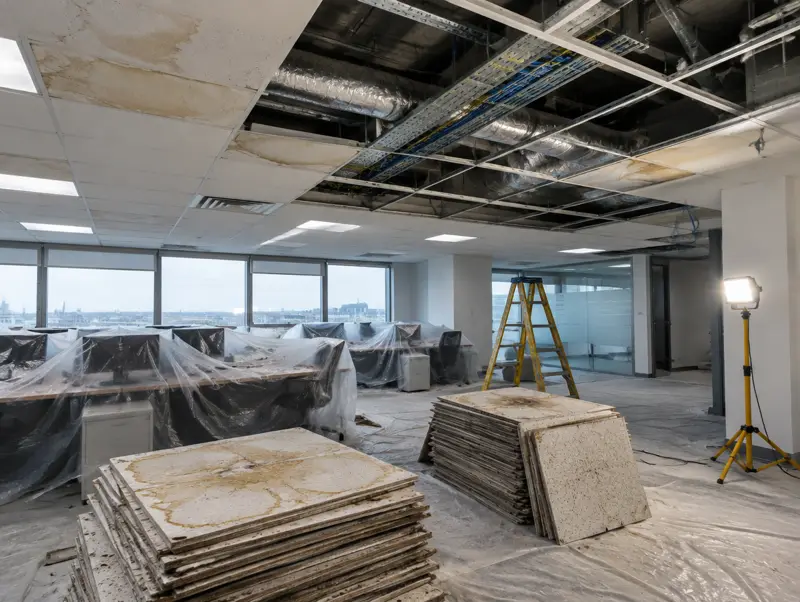
In buildings put up before 2000 we ask for the asbestos survey before any strip-out, because some older ceiling boards and the materials above them can contain asbestos. We then plan disposal, protect furniture and work in sections so the building stays usable.
What's involved
- Re-tile into existing grid where it is sound
- Full strip-out and new grid where it is not
- Light fittings and services refitted to the new layout
- Waste removed and recycled where possible
- Phased, out-of-hours working in occupied buildings
Best for: Tired offices, landlords between tenants, schools in holidays and shops refreshing a unit.
What happens after you get in touch
Send the details
Room size, postcode and what you want done, through the form, the guide-price tool, phone or WhatsApp.
Free survey
We measure, check the soffit, void depth and services, and agree the finished height and tile.
Fixed written quote
Named grid and tile products, programme, working hours, and exactly what is included.
Fit and hand over
Setting out, grid, services coordination and tiles, then a clean room and the product data.
Questions people ask
Can you replace just the tiles?
Yes, if the grid is straight, clean and a standard size. It is often half the cost of a new ceiling.
What happens to our old tiles?
We remove them from site. Some manufacturers run recycling schemes for clean mineral fibre tiles; we use them where tiles qualify.
Do you need an asbestos survey?
For buildings built before 2000, yes, before any strip-out. If you do not have one, we can tell you what to ask a surveyor for.